A tactile map in every accessible toilet
Calling on public venues, starting with Woking High School and Surrey County Council, to fit a standard raised-line tactile map in every accessible toilet they manage, so blind and partially sighted people can read the room with their hands and ears before they need to.
My name is Hayley, I am 15 years old, and I am blind. Like many blind and partially sighted people, I want to move through public spaces with independence and confidence. A simple thing like using a public toilet should not be one of the hardest parts of my day, but it often is, because nothing inside, not the flush, not the soap, not the exit, is where I expect it to be. Imagine reaching for a light switch and pulling the emergency cord instead. For many of us a non-standardised "accessible" toilet is a guessing game, and the guessing turns into anxiety and, over time, into staying home.
This is not only my experience. In RNIB's 2025 report In My Way, a survey of nearly 1,200 blind and partially sighted people across the UK, 61 per cent said they cannot make all the journeys they want or need to make, and only 9 per cent strongly agreed that they feel safe walking independently in their own neighbourhood.1 An inaccessible toilet sits at the end of a lot of those journeys.
The change I am asking for
Sign my petition to install tactile maps on all public accessible bathrooms for blind and visually impaired people.
I am asking public venues, including schools, supermarkets, shopping centres, libraries, community centres and transport hubs, to install a standard, raised-line tactile map, with braille labels, on the door of every accessible toilet they manage. Beside each map, a QR code plays an audio guide of the room.
Using raised symbols and textures, the map shows:
- Layout: the position of the toilet, the sink and the hand dryer.
- Controls: where to find the flush, the soap and the toilet paper.
- Safety: a clear distinction between the light switch and the emergency cord.
- Audio: a spoken guide, in more than one language, that describes the door, the fixtures and the emergency cord.
A tactile map is a small, practical change that makes an "accessible" toilet truly accessible. A QR code beside the map can also provide a spoken description of the same room. We ask for a public timetable for fitting, and for blind and partially sighted users to be consulted on placement. The project begins at my own school and in Surrey, and is designed as a model that any venue across the UK can copy with our free toolkit.
The global petition
Open to everyone, anywhere
Anyone, anywhere, can sign this one. It is live now, it can be shared internationally, and it lets supporters who are not in the UK add their names. It is also where the campaign builds early momentum and gathers the wording feedback that sharpens the ask.
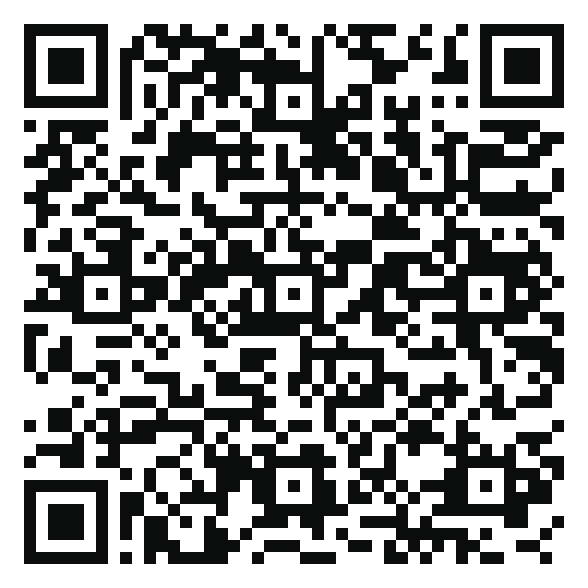
Or scan this code with a phone camera to open the petition. The same code appears on the printed posters and petition sheets.
Who: anyone, any country. Effect: public pressure and reach. Status: open and live on Change.org.
We are not asking for donations. If a platform shows a donation prompt after you sign, just skip that button. All we need is your signature.
The signature goal
What the targets mean
- At 1,000 signatures (our goal) we formally request a meeting with the school's senior leadership team and governors, and submit the petition with the toolkit to the school and to Surrey County Council, asking for a public fitting timetable.
- Best case, beyond the goal: we aim for around 1,200 signatures and a Surrey County Council pilot across town-centre sites with Sight for Surrey. Those are reach targets, not current figures.
Add your name
Signing takes under a minute. Anyone in the world can sign on Change.org.
What happens after you sign
- Done
Specification published. The tactile-map design and fitting guidance are free for anyone to use. - Done
Global petition open on Change.org. The worldwide petition is live so supporters anywhere can sign while the first maps are made. - Done
First school fitted. A pilot map is installed and in use. See the installations page. - Next
Meeting and submission at 1,000 signatures (our goal). Senior leadership and governors, plus a submission to Surrey County Council with the toolkit and a costed proposal for every disabled toilet. - Reach
Council pilot, around 1,200 signatures. A Surrey County Council fitting pilot across town-centre sites with Sight for Surrey. A best-case target, not a current figure.
Source
- RNIB, In My Way: the unnecessary and dangerous barriers on our streets (2025), a survey of nearly 1,200 blind and partially sighted people across the UK. rnib.org.uk.